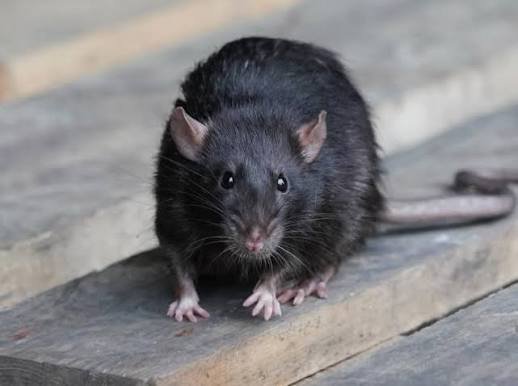
7 Signs of Rat Infestation in Your Boca Raton Home (And What to Do Immediately)
The 7 definitive signs of rat infestation in a Boca Raton home are: (1) scratching sounds at night, (2) dark spindle-shaped droppings, (3) grease smear marks along walls, (4) gnaw marks on wires or wood, (5) nesting material in hidden spaces, (6) a persistent ammonia-like odor, and (7) pets acting unusually agitated. In South Florida, roof rats are the primary species they nest above you in attics and are active between 11 PM and 3 AM.
You heard something in the ceiling last night. Maybe you spotted dark specks near the pantry shelf. Maybe your dog keeps sniffing the baseboards. In Boca Raton, FL, these are not random coincidences South Florida’s subtropical climate creates one of the highest year-round rodent pressures in the country.
Knowing exactly what to look for and what each sign means is the difference between catching an infestation early and dealing with a full colony, contaminated attic insulation, and chewed electrical wiring. This guide covers all seven warning signs, what each one tells you about the species and severity, and the right next step for each scenario.
For a complete breakdown of which rat species is most likely in your home, see our guide: Roof Rat vs Norway Rat in South Florida Which One Do You Have?
Why Boca Raton Homes Are Especially Vulnerable
Boca Raton’s rodent problem is structural, not seasonal. According to University of Florida IFAS research on roof rats in Florida, Rattus rattus thrives in the state’s warm, humid climate and shows no population decline in winter. This means a Boca Raton home is under pressure 12 months a year unlike properties in colder states where winter resets populations.
Several neighborhood features that define Boca Raton also create ideal rodent habitat:
- Royal palms and ficus hedges primary climbing routes to rooflines
- Citrus and avocado trees food sources that sustain colonies near your home
- Intracoastal-adjacent properties water access sustains Norway rat populations
- Barrel tile and flat roofs gaps at tile edges and A/C penetrations are common entry points
- Open soffit vents standard in older construction; primary entry in homes built before 2000
Understanding this context makes the warning signs more meaningful. Every sign below tells you something specific about which species you have, where they are in the structure, and how established the colony may be.
Sign 1: Scratching or Scurrying Sounds in the Ceiling or Walls at Night
What it means: Nocturnal scratching between 11 PM and 3 AM in your ceiling or upper walls is the single most reliable indicator of roof rats (Rattus rattus) in Boca Raton. Roof rats are obligate climbers and almost exclusively nest in elevated spaces attics, upper wall voids, and the space between your ceiling and roof deck.
What you hear and what it indicates:
- Fast, light scratching in the ceiling roof rat moving along a ceiling joist or attic floor
- Rolling or dragging sounds rat returning food to the nest
- Squeaking or chattering multiple animals; likely an established colony with juveniles
- Heavy thumping from below floor level Norway rat activity under a slab or in a subfloor void
Urgency level: High. Roof rats breed continuously in South Florida. A mated pair can produce 20+ offspring in four months under ideal conditions. If you hear sounds every night, the colony is already established not just a single passing animal.
Next step: Do not wait to see a rat visually. Contact a roof rat removal specialist in Boca Raton for a full attic inspection while the colony is still contained.
Sign 2: Dark Spindle-Shaped Droppings Near Food, Walls, or Cabinets
What it means: Rat droppings are one of the most conclusive signs of active infestation. In Boca Raton homes, the droppings you find tell you the species, the activity level, and whether the infestation is current or historical.
| Feature | Roof Rat Droppings | Norway Rat Droppings | Mouse Droppings |
|---|---|---|---|
| Size | 612 mm | 1820 mm | 36 mm |
| Shape | Spindle / pointed ends | Capsule / blunt ends | Rice grain / pointed |
| Where found | Attic, cabinet tops, counters | Basement, garage floor, near drains | Inside drawers, behind appliances |
| Fresh vs old | Fresh = shiny & soft | Fresh = dark & moist | Fresh = dark, dry quickly |
Health warning: Never sweep or vacuum rat droppings dry. The CDC lists over a dozen diseases transmitted by rodents, several of which spread through dried dropping particles becoming airborne. Dampen with a disinfectant spray before carefully disposing using gloves and a mask.
Next step: If you find more than 510 droppings in a single area, this indicates an established runway a regular travel path. The infestation is not incidental.
Sign 3: Grease Smear Marks Along Baseboards, Pipes, or Beams
What it means: Rats are creatures of habit. They travel the same routes repeatedly along walls, behind appliances, across ceiling joists and the natural oils and dirt in their fur leave dark smear marks on every surface they rub against regularly. These are called grease marks or rub marks, and they are one of the most overlooked signs of infestation in Boca Raton homes.
Where to look:
- Along the base of walls, especially in corners and behind furniture
- Around pipe penetrations through walls and floors
- On the undersides of attic joists and along rafter runs
- Around the edges of entry holes both inside and outside the structure
- On A/C conduit and utility lines where they enter the building
What smear marks tell you: A single faint mark could be an isolated contact. Dark, wide, clearly defined marks indicate a heavily used runway the rats have traveled this route hundreds of times. If you find grease marks on the outside of your home near roofline gaps or soffit edges, that is the active entry point.
Next step: Photograph grease marks at outside entry points and share them with your technician. Entry point identification is the foundation of effective rodent exclusion in Boca Raton.
Sign 4: Gnaw Marks on Wires, Wood, or Plastic
What it means: Rodents’ incisors grow continuously throughout their lives. They gnaw not only to access food but to wear down their teeth they will chew almost any material in your home. In Boca Raton attics and wall voids, the most dangerous gnawing is on electrical wiring.
Critical fire risk: The National Pest Management Association estimates that rodents may be responsible for up to 25% of undetermined house fires in the United States each year. Chewed wiring in an attic creates a direct arc fault risk in insulation. This is not a cosmetic issue it is a structural and safety emergency.
What gnaw marks look like:
- Fresh gnaw marks light-colored, rough texture, wood shavings nearby
- Old gnaw marks darkened edges, smooth from oxidation, no fresh debris
- Active entry hole clean, rounded edges; grease marks around the perimeter
- Abandoned hole rough, darker edges; may have dust or cobwebs across it
Where to check in a Boca Raton home: A/C conduit entry points, the underside of the roof deck in the attic, garage door frames, and around any utility penetration through the exterior wall. For older homes in East Boca, Mission Bay, and Boca Highlands, also check the wooden fascia boards along the roofline these are primary gnaw-entry points in mature neighborhoods with palm tree canopy.
Sign 5: Nesting Material in Hidden Spaces
What it means: Roof rats build nests from soft, shredded material. In Boca Raton attics, they typically use blown-in insulation, cardboard, and stored paper products. Finding shredded material clustered in a corner or between joists confirms an active or recently active nest site.
What nesting material looks like:
- Shredded fiberglass insulation pulled into a ball or elongated mound
- Torn cardboard, newspaper, or fabric collected in a hidden corner
- Chewed A/C duct lining used as soft padding in a nest
- Seed shells, citrus rinds, or food debris cached near the nest
How to tell if the nest is active: Fresh droppings inside or near the nest, a strong ammonia odor, or disturbed insulation with new material added all indicate the nest is currently occupied. An inactive nest will have dry, brittle material and older, crumbling droppings.
Important: Do not disturb a nest you find. Nesting material in Boca Raton attics can harbor rodent-borne pathogens including Leptospira bacteria. The Florida Department of Health confirms leptospirosis as a genuine risk in the state, transmitted through rat urine contaminating attic insulation and soil. Professional attic rodent cleanup in Boca Raton includes safe removal and sanitization with enzyme deodorizer to neutralize urine scent trails that attract future rodents.
Sign 6: A Persistent Ammonia-Like or Musty Odor
What it means: Rat urine has a sharp, ammonia-like odor that becomes stronger and more persistent as a colony grows. In warm, humid South Florida attics, urine soaks into blown insulation and remains detectable for months even after rodents have been removed unless the contaminated material is physically removed and the area is treated with an enzyme-based deodorizer.
What the smell tells you about severity:
- Faint, intermittent odor early-stage infestation or single animal; entry-point sealing may be sufficient
- Consistent odor in one area established colony with a defined runway or nest nearby
- Strong odor throughout the home heavy contamination of attic insulation; full attic remediation is needed
- Odor near A/C returns particularly concerning; the system is pulling contaminated attic air into living spaces
The last point ammonia odor near your A/C vents is the one that homeowners in Boca Raton most frequently miss. If your home smells musty despite regular cleaning, and the smell intensifies when the A/C is running, the air handler is likely pulling from a contaminated attic space.
Sign 7: Pets Behaving Unusually Pawing at Walls or Fixating on Specific Spots
What it means: Dogs and cats have a dramatically more sensitive sense of smell than humans and can detect rodent activity behind walls, under floors, and in ceilings long before you notice any other sign. If a dog or cat is pawing at a specific section of baseboard, staring at the ceiling, or refuses to enter a particular room, take it seriously.
Pet behaviors that indicate rodent activity:
- Dog scratching or sniffing intensely at a specific wall section or cabinet base
- Cat sitting motionless, staring at the ceiling or a wall void
- Either pet refusing to enter the garage, laundry room, or a specific hallway
- Sudden alertness or agitation in the middle of the night (11 PM3 AM) that corresponds to scratching sounds you also heard
In a Boca Raton home with no other signs yet visible, a pet’s persistent interest in a specific location is often the earliest possible warning. The rodents are present but have not yet produced enough droppings, gnaw marks, or noise to catch your attention directly.
How to Assess the Severity of Your Boca Raton Rat Infestation
Not every infestation is the same. The number of signs you identify and where you find them tells you how established the colony is.
| Signs Present | Likely Stage | Recommended Action |
|---|---|---|
| 12 signs (sounds only or a few droppings) | Early / scout animal | Inspection + exclusion before colony establishes |
| 34 signs (droppings + grease marks + sounds) | Established colony | Inspection + removal + exclusion + follow-up |
| 57 signs (including odor + gnaw marks + nesting) | Heavy infestation | Full service: removal + exclusion + attic cleanup + remediation |
What to Do If You Find Signs of Rats in Your Boca Raton Home
Speed matters in South Florida. Roof rats breed continuously in warm weather an infestation caught at the early stage requires far less intervention than one discovered after three months of unchecked activity. Here are the right immediate steps:
- Do not disturb nests or droppings dry risk of aerosolizing pathogens. Dampen with disinfectant spray before any handling.
- Photograph every sign you find droppings, gnaw marks, grease tracks, and especially any exterior gaps or holes. These photos help your technician prioritize the inspection.
- Note the time and location of sounds which room, which time of night, and whether sounds come from above (roof rat) or below (Norway rat). This guides the inspection protocol.
- Secure food sources move pantry items into sealed containers, remove pet food bowls overnight, and bring in fallen citrus fruit from the yard. This slows foraging while you wait for service.
- Schedule a professional inspection a trained technician will identify all entry points, confirm the species, assess the colony size, and develop an exclusion plan. See our full roof rat removal process for Boca Raton homes.
For commercial properties in Boca Raton restaurants, retail, warehouses, or HOA common areas signs of rodent activity require immediate response to comply with Palm Beach County health inspection standards. Our commercial rodent control program includes documentation available for health inspection files.
Rat Infestation Patterns by Boca Raton Neighborhood
Infestation type and severity varies significantly by area in Boca Raton. Understanding which signs to watch for depends partly on where you live:
- East Boca / Intracoastal neighborhoods High Norway rat pressure from canal systems, combined with roof rat activity from mature Royal Palm canopy. Expect signs in both lower (garage, foundation) and upper (attic) zones.
- Mizner Park / Downtown Boca Mixed commercial and residential; dumpster proximity sustains Norway rat populations. Watch for burrow entrances near landscaping and under concrete pads.
- West Boca / Loggers Run / Boca Del Mar Predominantly roof rats. Ficus hedges and golf course citrus trees are primary food and climbing sources. Soffit and roofline entry is the dominant pattern.
- Broken Sound / Woodfield / Mission Bay Upscale neighborhoods with mature landscaping. Roof rats common in attics of tile-roof homes. Often detected late because homeowners notice sounds only when the colony is well established.
- Delray Beach and Boynton Beach Similar patterns; see our Delray Beach rodent control and Boynton Beach rodent control service pages for area-specific information.
Frequently Asked Questions Rat Infestation Signs in Boca Raton
What are the first signs of a rat infestation in a Boca Raton home?
The earliest signs are nocturnal scratching sounds in the ceiling or walls, small dark droppings (612mm) near food areas, and grease smear marks along baseboards. In South Florida, roof rats are the primary species they scratch from above because they nest in attics and upper wall voids. Most Boca Raton homeowners first notice the scratching sounds between 11 PM and 3 AM.
What do rat droppings look like in Florida?
Roof rat droppings are spindle-shaped, dark brown to black, and 612mm long roughly the size of an olive pit. Norway rat droppings are larger (1820mm), blunt-ended, and capsule-shaped. Fresh droppings are shiny and soft; older ones are dry and crumble. Finding droppings in kitchen cabinets, pantries, or attic corners is a definitive sign of active infestation.
Why do I hear scratching in my ceiling at night in Boca Raton?
Scratching sounds between 11 PM and 3 AM in your ceiling almost certainly indicate roof rats (Rattus rattus). They are nocturnal and nest in attics across South Florida. The sound is their claws on drywall or insulation as they move between nesting and foraging areas. Rolling or dragging sounds indicate they are moving food back to the nest.
How dangerous are rats in my Boca Raton home?
Rats pose serious health and structural risks. The CDC links rodents to diseases including leptospirosis, salmonellosis, and rat-bite fever. In Florida, leptospirosis spread through rat urine in water or soil is a documented concern per the Florida Department of Health. Structurally, rats gnaw electrical wiring, creating a fire hazard. Contaminated attic insulation can affect indoor air quality for your entire family.
How do rats get into homes in Boca Raton?
Roof rats enter through gaps as small as a half-dollar coin (about inch) along rooflines, soffits, A/C penetrations, and where utility lines enter the structure. They use royal palms, ficus hedges, and bougainvillea as climbing routes. University of Florida research confirms roof rats are agile climbers that regularly use tree canopy to access rooflines in South Florida neighborhoods.
Can I get rid of rats myself in Boca Raton?
Hardware store snap traps can reduce numbers temporarily, but without sealing every entry point the infestation returns. South Florida’s year-round warm climate means rats breed continuously there is no winter freeze to reset the population. Professional exclusion sealing gaps with galvanized steel mesh and concrete is the only long-term solution. Trapping without exclusion is like bailing a boat without plugging the hole.
Act on the Signs Before the Colony Grows
In Boca Raton’s year-round subtropical climate, a single rat entering your attic in October can become a colony of 1520 animals by January. The seven signs in this guide exist on a spectrum each one tells you how far along the infestation is and how urgently to respond.
Catching the warning signs early before gnaw damage to wiring, before attic insulation is contaminated, before the colony establishes multiple runways is the single most important factor in how quickly and cleanly the problem is resolved.
Vermin Shield specializes exclusively in rodent control for Boca Raton and Palm Beach County homes. Our inspection process photographs every entry point, identifies the species, and gives you a written plan so you know exactly what you are dealing with and what will be done about it.
Call Vermin Shield Same-day response available across Boca Raton and Palm Beach County.
Call (561) 407-6349